Suspension and Alignment Issues You Shouldn’t Ignore
How Handling Problems Start
If your vehicle doesn’t feel as stable or comfortable as it once did, the issue may be developing in the suspension or alignment system. These systems are responsible for how your vehicle handles the road, how evenly your tires wear, and how confidently you can steer and brake. At Blacktop Auto Works, we regularly see how small suspension and alignment issues—when ignored—turn into bigger problems that affect safety, performance, and long-term repair costs.
For drivers in Woodway, TX, suspension and alignment problems often build gradually. You may adapt to changes in handling without realizing something is wrong until tire wear becomes obvious or steering feels unpredictable. Understanding how these systems work and recognizing early warning signs can help you protect your vehicle and avoid unnecessary expenses.
What Your Suspension System Really Does
The suspension system does much more than provide a smooth ride. It keeps your tires in contact with the road, absorbs impacts from bumps and potholes, and helps maintain proper vehicle balance during braking and cornering. Components like shocks, struts, control arms, bushings, and springs all work together to manage motion and stability.
As suspension components wear, their ability to control movement decreases. This can lead to excessive bouncing, poor handling, nose-diving during braking, or uneven weight distribution. Over time, worn suspension parts place additional stress on steering and alignment components, accelerating overall wear.
How Wheel Alignment Fits Into the Equation
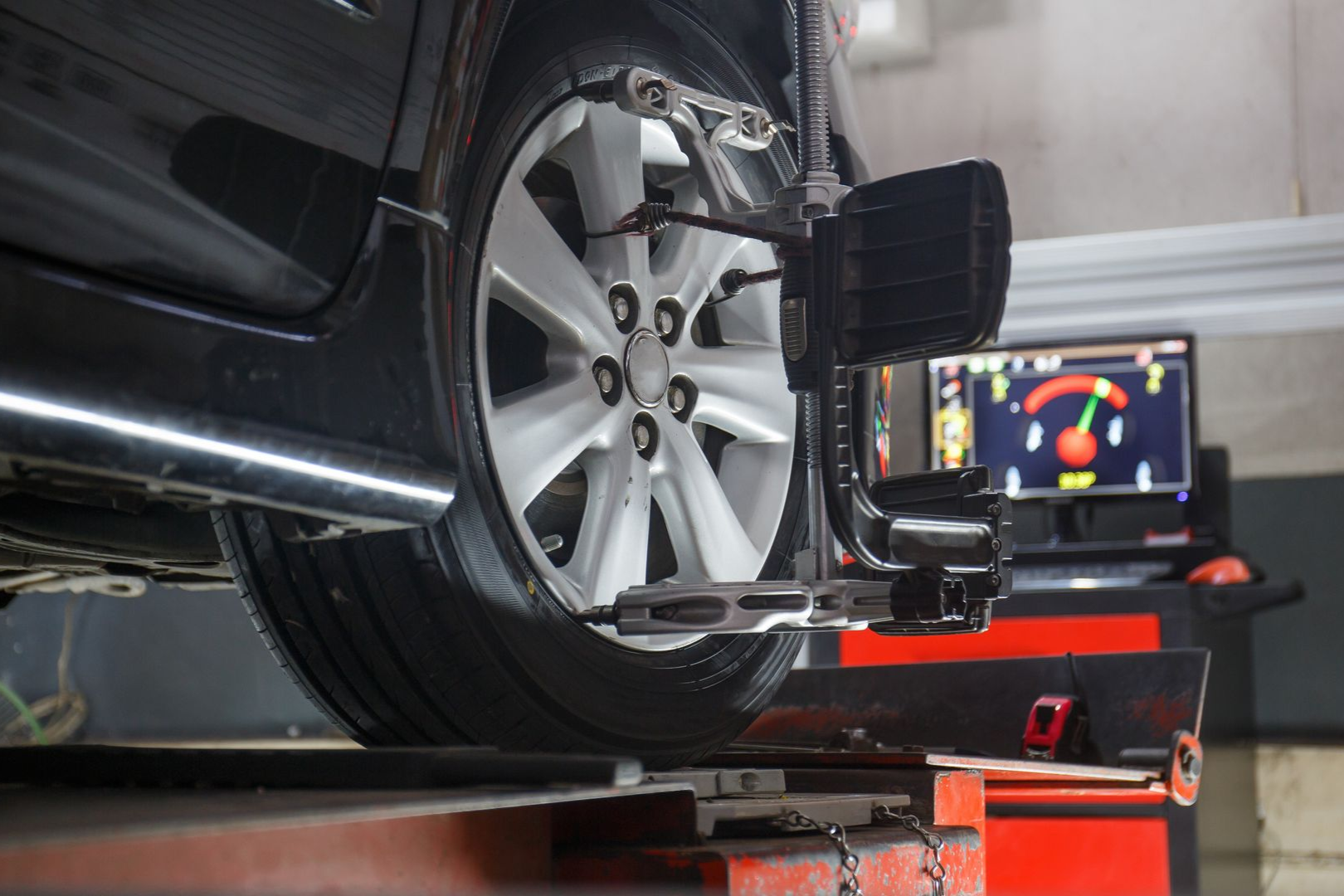
Wheel alignment determines how your tires are positioned in relation to each other and the road. Proper alignment ensures your vehicle tracks straight, responds evenly to steering input, and distributes weight across all four tires correctly. Even minor misalignment can cause noticeable changes in handling and tire wear.
Alignment issues can develop gradually due to normal suspension wear, road conditions, or impacts such as hitting potholes or curbs. Vehicles with lift kits, suspension modifications, or lowered setups are especially sensitive to alignment changes. Without proper alignment, even new tires can wear out prematurely.
Early Warning Signs Drivers Often Miss
Suspension and alignment problems rarely appear overnight. Instead, they develop slowly, making them easy to overlook. Common early signs include a steering wheel that’s slightly off-center, a vehicle that pulls to one side, uneven tire wear, or a ride that feels harsher than normal.
Other indicators include clunking noises over bumps, excessive body roll during turns, or a feeling that the vehicle doesn’t respond consistently to steering input. These symptoms often point to worn suspension components or alignment angles that are no longer within specification. Addressing them early can prevent more extensive repairs later.
Why Ignoring These Issues Makes Things Worse
When suspension and alignment problems are ignored, they don’t stay isolated. Worn suspension components affect tire contact with the road, which in turn impacts braking performance and steering control. Misalignment accelerates tire wear and can place added stress on suspension and steering parts.
Over time, what started as a simple adjustment or component replacement can escalate into multiple worn parts needing attention. For drivers in Woodway, TX, this often means higher repair costs and reduced confidence behind the wheel. Early intervention keeps systems working together instead of against each other.
Suspension and Alignment on Modified Vehicles
Modified vehicles introduce additional complexity. Lift kits, larger tires, aftermarket suspension components, and performance upgrades change how forces are distributed throughout the vehicle. These changes make proper suspension setup and alignment even more critical.
At Blacktop Auto Works, we understand that modified vehicles require a more tailored approach. Suspension geometry, alignment angles, and component compatibility all need to be evaluated together. Proper service ensures upgrades improve capability without compromising safety or drivability.
The Role of Inspections in Identifying Problems
Suspension and alignment issues aren’t always visible at a glance. That’s why inspections are a key part of identifying problems early. A professional inspection evaluates component wear, mounting points, bushings, and overall system condition.
Inspections also help determine whether alignment issues are caused by worn components rather than simple adjustment needs. Correcting alignment without addressing worn suspension parts often leads to repeat problems. A complete inspection ensures repairs address the true cause, not just the symptoms.
Tire Wear Tells a Story
Uneven tire wear is one of the most common indicators of suspension or alignment issues. Inside or outside edge wear, cupping, or feathering patterns often point to specific problems within the system. Tires act as a direct connection between your vehicle and the road, making them a valuable diagnostic tool.
Monitoring tire wear patterns helps catch issues early. When addressed promptly, proper suspension repair and alignment can extend tire life and improve handling. Ignoring these signs often results in premature tire replacement and continued drivability issues.
Why Professional Standards Matter
Suspension and alignment work requires precision, experience, and proper equipment. ASE Certified technicians are trained to evaluate system behavior and make adjustments based on accurate measurements, not guesswork. Certified Auto Repair standards ensure procedures follow proven methods rather than shortcuts.
Using quality components supported by Worldpac further ensures reliability. Suspension repairs and alignment services backed by a 2-Year / 24,000-Mile Warranty reflect confidence in both workmanship and parts. Professional standards protect your investment and ensure consistent results.
How Proper Service Improves Daily Driving
When suspension and alignment systems function correctly, the difference is immediately noticeable. Steering feels more responsive, the vehicle tracks straight, braking is more predictable, and overall ride quality improves. These benefits enhance safety and reduce driver fatigue, especially on longer drives.
Proper alignment also improves fuel efficiency by reducing rolling resistance. Over time, these small improvements add up, making professional suspension and alignment service a smart investment for daily drivers and enthusiasts alike.
When to Have Your Suspension and Alignment Checked
Suspension and alignment should be evaluated if you notice handling changes, uneven tire wear, or after installing suspension modifications. They should also be checked following significant impacts, such as hitting potholes or curbs, and when replacing tires.
Regular inspections help catch issues before they escalate. For drivers in Woodway, TX, proactive checks are especially valuable due to varying road conditions and vehicle usage patterns.
Final Thoughts on Handling Problems
Suspension and alignment issues don’t fix themselves. Left unaddressed, they gradually affect safety, comfort, and long-term reliability. Recognizing early signs and addressing them with professional service keeps your vehicle performing as intended.
At Blacktop Auto Works, we believe handling problems should be solved with accuracy, transparency, and long-term reliability in mind. Addressing suspension and alignment issues early protects your vehicle and restores confidence on every drive.